
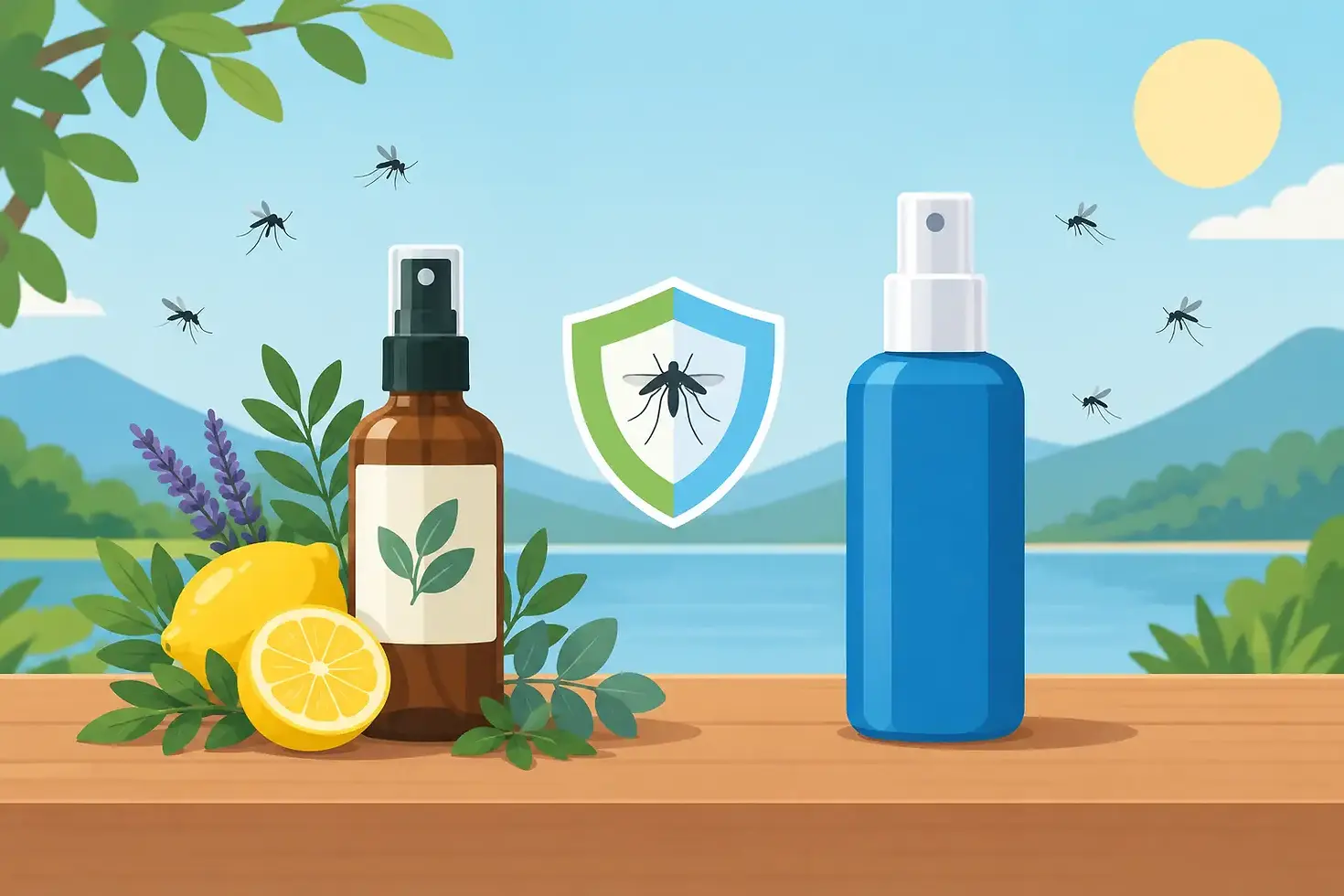
Natural Repellent Versus DEET for Summer
That peaceful North Idaho evening can turn into a slapping, swatting mess in about five minutes. Whether you are watering the garden, sitting by the fire, fishing, or sending the kids outside to burn off steam, you want bug protection that works without turning your skin, clothes, and whole porch into a chemical-smelling disaster. Natural repellent versus DEET is not a one-size-fits-all fight. The right choice depends on where you are headed, how long you will be out, and what kind of bugs are looking for dinner.
Natural Repellent Versus DEET: The Real Difference
DEET is a synthetic insect-repellent active ingredient with a long track record. It does not kill mosquitoes or ticks. It makes it harder for them to find and land on you. When used according to the label, it can provide dependable, long-lasting protection, which is why it is often the practical choice for deep woods, heavy mosquito pressure, and places where tick-borne illness is a serious concern.
Natural repellents usually rely on plant-derived oils and extracts. Common ingredients include citronella, lemongrass, peppermint, cedarwood, geranium, clove, and rosemary. These formulas can smell fresher, feel more at home in a natural personal-care routine, and skip the sharp odor many people associate with conventional sprays. That matters when you are applying something to your skin several times a day.
But “natural” is not a magic word, and “DEET” is not automatically a dirty word. A plant-based formula still needs to be used correctly. A DEET product still needs to be used carefully. The better question is simple: what level of protection do you need for the time and place you are in?
When a Natural Repellent Makes Good Sense
For ordinary backyard time, farmers market mornings, patio dinners, light yardwork, and a walk around the neighborhood, a natural repellent can be a great fit. You are usually close to home, can reapply when needed, and are not spending hours pushing through thick brush at dusk.
Natural formulas are especially appealing to folks who pay attention to what goes on their skin. If you already avoid alcohol-heavy sprays, overpowering perfumes, and ingredient lists that read like a science project, a thoughtfully made botanical repellent is a sensible option. A good one should be pleasant enough to use. Because the best bug spray in the world does no good sitting unopened in the truck.
The trade-off is duration. Essential-oil-based repellents often wear off faster than a well-formulated DEET product, especially when you are sweating, swimming, working hard, or sitting in humid mosquito country. Plan to reapply. That is not a failure of the product. It is part of using a lighter, plant-based approach.
Dave’s Miracle Natural Insect Repellent is made for people who want outdoor protection that fits a natural, handmade personal-care routine. It is a good grab-and-go choice for everyday time outside when you want to stop being bugged without the usual harsh-smelling spray experience.
Natural does not mean “use as much as you want”
Essential oils are concentrated. More is not always better, especially on sensitive skin. Follow the product directions, avoid spraying near eyes or mouth, and wash your hands after applying. If you are using a new repellent on a child or have very sensitive skin, test a small area first.
Children, pregnant people, and anyone with allergies or skin conditions should be extra careful about choosing and applying any repellent, natural or conventional. Read the full label instead of assuming that a botanical ingredient is automatically right for every person.
When DEET Earns Its Place
There are times to quit debating scent and reach for the strongest appropriate protection. Think long hikes through brush, camping near standing water, hunting, fishing at dawn or dusk, travel to areas with mosquito-borne disease concerns, or heavy tick exposure. A few bites are annoying. The disease risk from certain mosquitoes and ticks is a different ballgame.
DEET’s main advantage is staying power. In general, higher concentrations can provide longer protection time, but they do not make the repellent work “harder” in every moment. Use the lowest concentration that gives you the coverage you need for the activity, and follow the directions exactly. Reapply only as the label says.
DEET also has downsides that practical shoppers notice quickly. Its smell can be intense. Some formulas feel greasy or sticky. It can damage certain plastics, synthetic fabrics, watch bands, sunglasses frames, and gear finishes. If you have ever pulled a tacky tackle box or soft plastic phone case from your bag after a DEET spill, you know what we mean.
For some families, those trade-offs are perfectly acceptable for a serious outdoor day. For others, they are exactly why a natural formula handles most of their regular outdoor routine.
Don’t Forget the Middle Ground
The choice is not limited to botanical spray or DEET. Picaridin is another widely used synthetic repellent active that many people prefer because it tends to have less odor and is less likely to damage gear. Oil of lemon eucalyptus products can also offer meaningful mosquito protection, though they are not the same thing as lemon eucalyptus essential oil from a bottle.
Why bring up alternatives in an article about natural repellent versus DEET? Because the smart choice is the one that matches the risk. If you dislike DEET but need longer-lasting protection than your favorite natural spray provides, an alternative may make sense. There is no prize for choosing a label category over staying protected.
Whatever you choose, look for a product made and labeled specifically as an insect repellent. Scented body oils, candles, and random essential-oil blends may smell wonderful, but they are not automatically tested or intended to protect you from bites.
Make Any Repellent Work Better
Repellent is only one piece of staying comfortable outside. If mosquitoes are thick, give your spray some backup. Light-colored long sleeves and pants create a physical barrier, and loose clothing is more comfortable in warm weather than people expect. Tuck pants into socks when ticks are a concern, especially in tall grass and brush.
At home, dump standing water from buckets, toys, plant saucers, and anything else that holds rainwater. Mosquitoes do not need a lake to become a problem. A neglected birdbath, clogged gutter, or upside-down grill cover can become their little resort.
For ticks, do a check when you come indoors. Check behind knees, around waistbands, under arms, in hair, and anywhere a tick can hide. Toss outdoor clothes in the dryer on high heat when appropriate, and check pets too. This takes a few minutes and beats discovering an unwanted hitchhiker later.
If you are using sunscreen, apply sunscreen first and let it dry before applying repellent. Avoid combination sunscreen-repellent products when possible, because sunscreen may need to be reapplied more often than insect repellent. When the outdoor time is over, wash treated skin with soap and water.
Choose for the Day You Actually Have
A natural repellent is not “weak” just because it is plant-based, and DEET is not automatically the villain just because it is conventional. They serve different needs. For a calm evening on the deck, a natural formula you enjoy applying and are willing to reapply can be exactly right. For a long day in the woods when mosquitoes and ticks are serious, stronger, longer-lasting protection may be the sensible call.
The best outdoor plan is not fancy. Read the label, dress for the bugs, reapply when needed, and keep the product that fits your real life by the door. Then get back outside and enjoy the evening before the mosquitoes decide it belongs to them.



Comments