
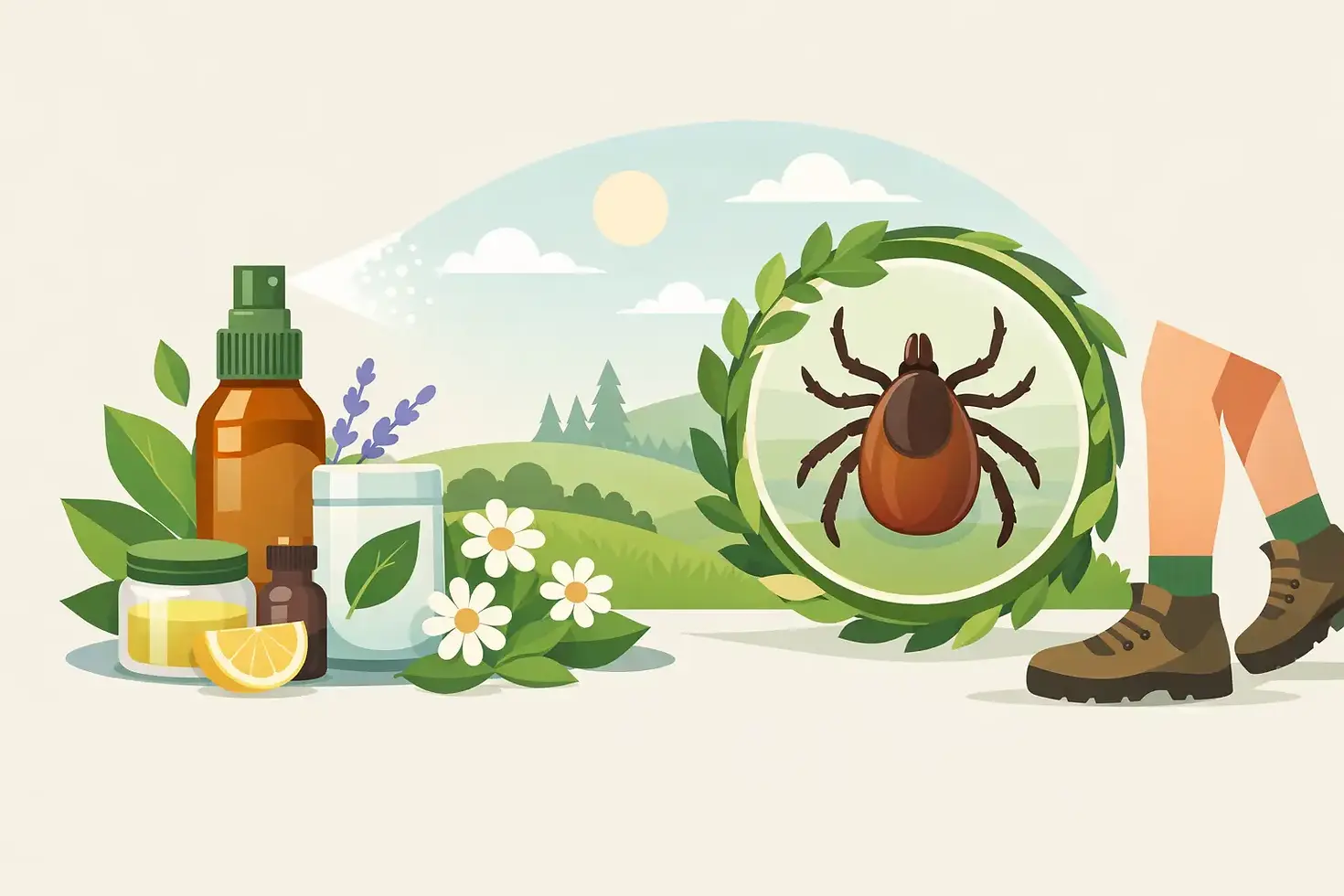
What Natural Insect Repellent Works for Ticks?
Ticks do not care that you are only stepping outside to water the tomatoes, walk the dog, or check the mailbox. In North Idaho and across the country, they wait in tall grass, brush, leaf litter, and along trail edges for a ride. A natural insect repellent for ticks can be part of a smart outdoor routine, but the bottle has to do more than smell nice.
The plain truth is this: not every product labeled natural has been shown to repel ticks. Essential oils can smell fresh, clean, and downright wonderful, yet scent alone is not a tick-defense plan. If you want fewer unwanted hitchhikers after a hike, yard project, campout, or fishing trip, choose your repellent with the same common sense you bring to good boots and a full tank of gas.
Why Ticks Deserve Their Own Game Plan
Mosquitoes announce themselves. They buzz in your ear, bite, and make you swat. Ticks are sneakier. They can crawl onto shoes, socks, pants, pets, and bare skin without much fanfare. They are also different from mosquitoes in one big way: you may not notice a tick until it has been attached for a while.
That is why a quick spritz of something pleasant-smelling is not always enough. Tick protection works best as a layered plan: a repellent that is labeled for ticks, clothing that creates a barrier, awareness of where you are walking, and a thorough tick check when you come inside. That is not fearmongering. That is just being harder to bite.
What to Look for in Natural Insect Repellent for Ticks
Start with the label, not the front-of-bottle marketing. A repellent should specifically say it repels ticks and explain how to use it. The directions matter because the protection time, reapplication schedule, and age guidance can vary from product to product.
One plant-based ingredient with a stronger track record is oil of lemon eucalyptus, often listed as OLE or PMD on products made for insect protection. It is not the same thing as squeezing lemon eucalyptus essential oil into a homemade spray. Commercial repellents use a standardized form and provide directions designed for real-world use. For young children, always follow the product label closely. Products containing oil of lemon eucalyptus or PMD are generally not intended for children under age 3.
Other botanical ingredients may be included in natural repellents, but the honest answer is that performance depends on the formula, concentration, sweat, rain, brush contact, and how generously it is applied. A homemade blend can be enjoyable for the patio, but it may not be the right choice for thick woods, high grass, or a long day on the trail. When ticks are a real concern, choose a product that clearly names ticks on its label instead of hoping a few drops of essential oil will do the whole job.
At Dave's Miracle, we believe outdoor protection should not require loading your skin up with harsh, chemical-heavy junk. But natural does not mean careless. Use a well-made product as directed, keep it away from eyes and lips, and do not spray it into your hands just before rubbing your face. Common sense still has a job to do.
Do Not Confuse “Natural” With “Long-Lasting”
A botanical repellent may need to be reapplied more often than a conventional option. Heat, swimming, heavy sweating, and wiping your legs with a damp towel can all cut down protection. That is a trade-off worth knowing before you head out.
If you are gardening for 20 minutes, a natural spray may fit the moment beautifully. If you are hiking through brush for six hours, you may need more layers of protection and more frequent application. There is no prize for using the least product possible if ticks are crawling around your boots.
Make Your Repellent Work Harder
Repellent is one tool, not a force field. Put it on exposed skin according to the label, paying attention to ankles, lower legs, the waistline, and the back of the neck when those areas are uncovered. Apply it before you get deep into the yard or trail, not after you have already pushed through knee-high grass.
Clothing does a lot of the heavy lifting. Long pants, socks, closed shoes, and a light-colored shirt make it easier to spot a crawler before it finds a hiding place. Tucking pants into socks may not win a fashion award, but neither does picking a tick out of your calf after dinner. For serious brush time, function beats runway style every time.
For clothing and gear, some people use products treated with permethrin. Permethrin is not a natural botanical ingredient, and it is not meant to be applied to skin. Still, it can be a useful option for boots, pants, socks, tents, and other gear when used exactly as directed. If your priority is sticking with plant-based skin products, you can pair a natural tick repellent with physical barriers and careful trail habits instead.
Stay toward the center of trails when possible. Avoid brushing against tall grass and low shrubs. Around the home, keep grass trimmed, clear leaf piles, and create a little breathing room between play areas and dense brush. Ticks like shady, damp hiding spots. You do not have to turn your yard into a parking lot, but a bit of cleanup makes a difference.
The Tick Check Is Not Optional
The best natural insect repellent for ticks is only one part of the job. When you come indoors, check yourself, your children, and your pets. Do it soon, before a tick has time to settle in somewhere inconvenient.
Look carefully around the hairline, behind ears, under arms, around the waist, behind knees, between legs, and around socks. Ticks are small, and the nymph stage can be especially easy to miss. Showering after outdoor time can also help you spot a crawler before it attaches.
If you find an attached tick, remove it promptly with fine-tipped tweezers. Grasp it as close to the skin as possible and pull straight upward with steady pressure. Do not burn it, smother it with petroleum jelly, or try to make it back out with a kitchen remedy. Clean the bite area and your hands afterward. If you develop a rash, fever, unusual fatigue, body aches, or other symptoms after a tick bite, contact a healthcare professional.
A Better Outdoor Routine Starts Before You Leave
The right natural repellent should feel like part of getting ready, not a complicated science project. Put on your socks and shoes, spray or apply the repellent according to its directions, grab water, and enjoy the fresh air. Then do the quick check when you get home. That small habit protects more than one afternoon.
Natural products can be a great fit for families who care about what goes on their skin, especially when they are selected with clear expectations. Choose a formula labeled for ticks, reapply when conditions call for it, cover up in brushy areas, and do not skip the tick check. The trail, garden, and backyard are still yours to enjoy. Just make it a lot harder for ticks to tag along.


Comments